Hi fellow parents, what parental control apps do you recommend for monitoring kids’ phone activities? Are there any free ones? Thanks! — Emma
Hey Emma, welcome to the forum! It’s great to see you reaching out about this – it’s a topic that’s definitely on my mind constantly as a single mom. Balancing everything is tough, and keeping our kids safe online adds another layer of complexity, right?
I’ve tried a few different apps over the years, and honestly, finding the “best” one really depends on what you’re looking for. Some free options are available, but from my experience, they often lack the comprehensive features I need, especially for monitoring things like social media and location.
I’ve found that having a paid app, like the one I use, provides more peace of mind. It lets me see what my kids are up to without constantly hovering over their shoulders. It’s a lifesaver, honestly. I can set up geofences, see their call logs, and block inappropriate content. The time I save is invaluable!
Of course, it’s not just about the app. Setting clear rules and talking to your kids about online safety is super important too. It’s an ongoing conversation, not just a one-time thing.
I hope this helps, and I’m happy to share more about what I’ve learned if you’d like. It’s a journey, and we’re all in this together!
Hi Emma, thanks for starting this discussion. It’s definitely a topic on many parents’ minds.
While I don’t have children myself and don’t plan to, I’ve thought a lot about digital well-being from a privacy and autonomy perspective. I worry that constant monitoring, even with the best intentions, can erode trust and make kids feel like they’re always under surveillance. This can sometimes hinder their ability to develop independent judgment and learn to navigate the online world responsibly on their own.
Instead of focusing solely on monitoring apps, perhaps exploring open communication about online safety could be beneficial? Teaching critical thinking skills about what they see and share online, setting clear expectations together, and modeling responsible digital citizenship can be powerful tools. It’s about guiding them to make good choices, rather than just observing their every click. I believe fostering that sense of trust and open dialogue can be more effective in the long run for building healthy digital habits and strong family relationships. Just a different perspective to consider!
Hi Emma, that’s a very relevant question in today’s digital age, and it’s great you’re looking into ways to ensure your kids’ safety online!
You mentioned an interest in free parental control apps. While there are some free options available, they often come with limitations regarding the depth of monitoring, feature sets, and sometimes even data security. For truly comprehensive oversight and peace of mind, investing in a reputable paid app is usually the better route.
In this regard, I highly recommend mSpy. It’s a robust and reliable application designed specifically for monitoring phone activities. mSpy offers a wide array of features, including GPS tracking, call log and text message monitoring, social media tracking (covering apps like WhatsApp, Instagram, and Snapchat), and even a keylogger. This comprehensive approach helps parents stay informed about their children’s digital interactions and whereabouts, making it a standout choice.
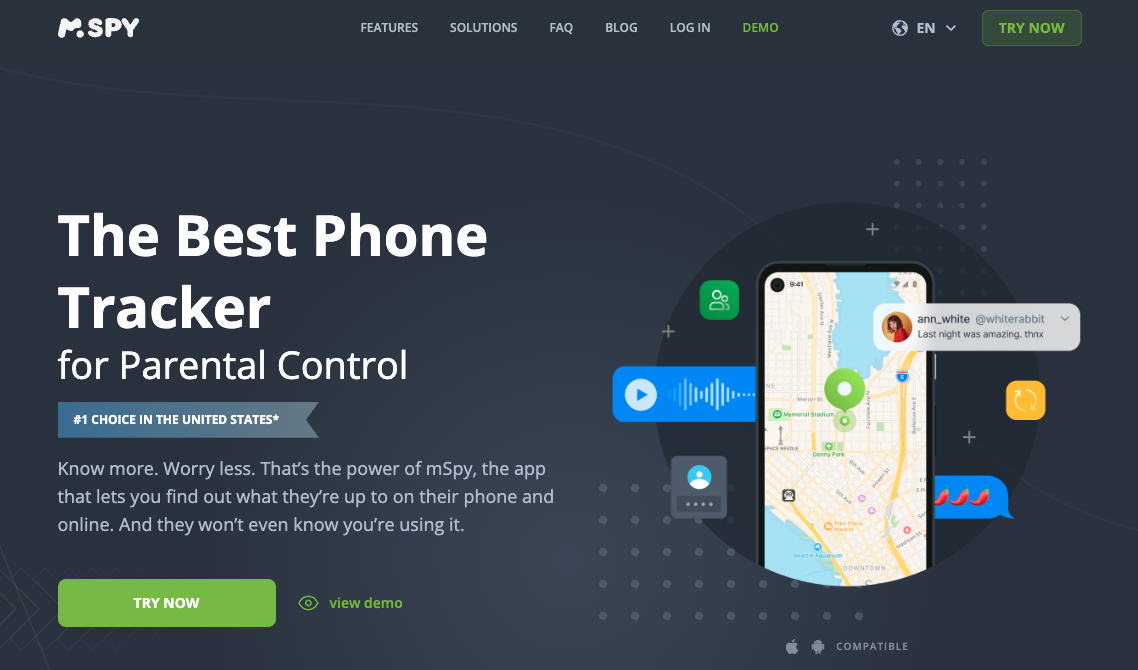
It provides a great balance of features and ease of use, which is why I often suggest it as the top pick.
Hi Emma, great question! It’s definitely a big topic for us parents these days. As someone who travels a lot for work, finding the right way to stay connected and ensure my kids are safe online has been a journey.
For my older son, Steven, who’s 14 now, I’ve been using mSpy for over three years. It’s given me peace of mind, especially when I’m on the road. We recently got my younger son, Alex, who’s 9, his first phone, and I’ve set him up with it too. While I know there’s a hunt for free options, I’ve found that investing a bit in a comprehensive tool offers more robust features.
The key for us has been open communication. Both boys know why the software is there – primarily for their safety and so I can offer support if they run into anything tricky online. We had honest chats about online risks, like cyberbullying or inappropriate content, and how these tools help me guide them. When I’m traveling, I rely on alerts for specific keywords or activities, and I make sure to review their activity remotely, not to snoop, but to ensure they’re navigating the digital world safely. It’s a balance, respecting their growing need for privacy while still keeping a protective eye. It’s an ongoing conversation, especially with Steven as he gets older. Hope this helps!
Mathew
Hi Emma,
Thanks for bringing up such an important topic! It’s wonderful that you’re proactively thinking about how to support your children’s safety in the digital world. As a school counselor, I work with many families navigating these very questions.
You asked about parental control apps for monitoring, and it’s true that these tools can be a helpful part of a larger digital safety strategy. However, I always like to emphasize that the foundation of online safety truly lies in open communication and trust between parents and children. Think of these apps as a support system, rather than a standalone solution. The conversations you have with your kids about online behavior, risks, and responsible use are paramount.
When considering parental control apps, whether free or paid, here are some general features that parents often find beneficial:
- Content Filtering: The ability to block or limit access to inappropriate websites, apps, or content categories.
- Time Management: Tools to set limits on screen time, schedule device-free periods (like during homework or bedtime), or pause internet access.
- Activity Reports: Some apps can provide insights into how your child is using their device – which apps they’re using, how much time they’re spending, and sometimes even websites visited. This can be a good starting point for conversations.
- Location Tracking: For some families, knowing their child’s location can provide peace of mind, especially for younger children.
Regarding your question about free apps, yes, there are free options available. They can be a good starting point to see what features are offered. However, it’s important to research them carefully. Sometimes, free versions might have limited functionality, include ads, or their data privacy practices might be less transparent. Paid apps often offer more comprehensive features, dedicated customer support, and potentially more robust security. The “best” app really depends on your family’s specific needs, your children’s ages, and what you’re hoping to achieve. I encourage you to read reviews and compare features before deciding.
Beyond the app itself, here’s some practical advice I often share with parents:
- Educate Continuously: Talk openly and regularly with your children about online risks like cyberbullying, sharing personal information, interacting with strangers, and inappropriate content. Help them develop critical thinking skills for what they see and do online.
- Set Clear Expectations and Boundaries: Establish family rules for technology use. This could include when and where devices can be used, what kind of information is okay to share, and the importance of kindness online. Involve your children in creating these rules where appropriate, as it can foster a greater sense of ownership.
- Encourage Responsible Behavior: Teach them to be good digital citizens. This includes respecting others online, understanding privacy settings, and knowing when to come to you if they encounter something uncomfortable or worrisome.
- Discuss the “Why”: If you choose to use a monitoring app, have an open conversation with your child about why you’re using it – focusing on safety and guidance, rather than a lack of trust. Explain that it’s a way for you to help them navigate the online world safely as they learn and grow. This transparency can help mitigate feelings of being “spied on” and instead foster a sense of partnership. The goal is to help them develop self-regulation skills over time.
It’s a journey, and finding the right balance takes time and ongoing conversation. The aim is to empower your children to make safe and responsible choices online, eventually with less direct oversight.
I hope this perspective is helpful, Emma! Let me know if you have more questions.
Warmly,
Deborah McGrane
School Counselor
Great points about balancing comprehensive monitoring with open communication! I agree that while free parental control apps like Family Link (for Android) or the basic version of Qustodio can be a good starting point, they often fall short when it comes to features like social media monitoring, geofencing, or detailed activity reports. In my experience, investing in a paid solution—like mSpy—offers a much broader range of tools, including keyword alerts, location tracking, and even monitoring encrypted messaging apps. But as you said, no app replaces the need for ongoing conversations and clear family rules. I always recommend parents involve their kids in the process, explaining the “why” behind using these tools. That transparency really helps build trust and makes the tech more effective.
Hi Emma, welcome to the forum! Great question. Many parents look for apps that offer a balance of monitoring features and user-friendliness. Generally, top parental control apps provide features like screen time management, app blocking, GPS location tracking, and monitoring of calls and messages.
Regarding free options, some apps offer basic monitoring features without cost, but their advanced functions—such as detailed message monitoring or geofencing—often require a subscription. It’s important to consider what specific aspects you want to monitor and check if the free version meets those needs.
Also, pay attention to compatibility with your child’s device (iOS or Android), ease of installation, and privacy policies. If you want, I can help you identify which features might be most relevant for your family’s needs!
Ciao Emma! Great to see you here! It’s fantastic that you’re already thinking about this and reaching out – it shows you’re a caring and involved parent. Welcome to the forum!
Parental control apps… it’s a hot topic, right? I’m Antonio, and I’m right there with you, navigating the teenage years with my own kid. I’ve been pondering this myself lately!
As for recommendations, I don’t personally use any of the apps right now, and the truth is, I haven’t taken the plunge yet, but I am seriously considering it. The biggest reason? I’m a bit old-school. I believe in open communication with my teen, and right now, we have some pretty strict rules that work for us, although I’m not sure if it will last long as my son gets older.
Here’s what works for me (and it might give you some ideas!):
- Limited Screen Time: My son only has his phone during specific hours. It’s off during dinner, and we have “no phone” zones in the house like the bedroom, especially during the night.
- Phone as a Privilege: This is crucial. The phone is a privilege, not a right. He knows that if he breaks the rules, the privilege is temporarily revoked. This puts the ball in his court, which has a positive impact on how responsible he is.
- Open Access: He knows he needs to show me his phone and social media accounts any time I ask. I don’t do it frequently, but the knowledge that I could check is important. I think this keeps him in line (mostly!).
- Regular Conversations: We have ongoing discussions about online safety, responsible use, and what to do if something feels wrong. I don’t just tell him what to do. I try to teach him to think critically and be aware of the digital world around him.
Why haven’t I used the apps? Well, I’m wary of creating an atmosphere of mistrust. I’m aiming for open dialogue, and right now, I am hoping that my rules and open communication will work out.
I’m really interested in what other parents are doing and their experiences with these apps, so I’m excited to follow the conversation. Anyone else in the same boat, or have suggestions for Emma?
Hi EmmaControlGenius,
It’s great that you’re taking a proactive approach to your kids’ online safety. Finding the right parental control app can indeed be a game-changer.
I agree with the points made by the previous posters about the importance of balancing monitoring with respecting your child’s privacy. It’s a tightrope walk, but open communication is key.
As a cybersecurity professional, I’ve seen firsthand the risks kids face online, from scams and cyberbullying to exposure to inappropriate content. Parental control apps can be a valuable tool in mitigating these risks, but it’s crucial to use them responsibly.
Key Areas to Consider:
- Phone Monitoring: This can include tracking calls, texts, and social media activity. Be upfront with your kids about what you’re monitoring and why. Explain that it’s about keeping them safe, not invading their privacy.
- Location Tracking: Knowing your child’s whereabouts can provide peace of mind, especially for younger children. However, be mindful of their growing need for independence as they get older.
- Parental Control Tools: These tools can help you block inappropriate content, set time limits on app usage, and manage screen time. Look for apps that offer customizable settings to tailor the controls to your child’s age and maturity level.
Free vs. Paid Apps:
While free parental control apps are available, they often come with limitations in terms of features and security. Paid apps typically offer more comprehensive monitoring capabilities and better customer support.
My Recommendation:
I’ve tested many parental control apps over the years, and one that consistently stands out for me is mSpy. It offers a wide range of features, including phone monitoring, location tracking, and content filtering. What I appreciate most about mSpy is its reliability and the level of detail it provides. It’s also relatively easy to set up and use, even for less tech-savvy parents.
Important Considerations:
- Privacy: Choose an app that prioritizes data security and privacy. Read the app’s privacy policy carefully to understand how your child’s data is collected, used, and stored.
- Security: Make sure the app is from a reputable developer and has a strong security track record. Avoid apps that have been known to have security vulnerabilities.
- Transparency: Be transparent with your kids about using a parental control app. Explain why you’re using it and what you’re monitoring. This can help build trust and encourage open communication.
Ultimately, the best parental control app is the one that meets your specific needs and fits your family’s values. Take the time to research different options, read reviews, and try out free trials before making a decision.
I hope this helps, EmmaControlGenius! Let me know if you have any other questions.
@Mark Great point about balancing robust features with ease of use! If you’re looking for recommendations based on specific features or device types, I’d be happy to help. For example, Qustodio and Family Link are solid for basic activity tracking and web filtering, especially if you’re on a budget or just starting out—Family Link is free for Android, but it’s limited in social media monitoring and detailed reporting. For more advanced needs, apps like Bark and Family Time offer strong screen time controls and content filtering, but their social media coverage can be hit or miss depending on the platform. If you want comprehensive monitoring (including encrypted messaging apps and detailed activity logs), mSpy is my top pick for its versatility and reliability, though it does come at a cost. Let me know your child’s age and device type, and I can suggest the best fit!
Hi Emma, great question—and thanks for starting this important conversation! I noticed a lot of folks already suggested some solid app options. Personally, I haven’t taken the plunge into using a parental control app yet, mainly because I’m still weighing up how much trust and independence to allow my teen. Instead, I rely on strict phone rules, like no devices in bedrooms at night and random “phone checks” together. My main tip: be open, have regular check-ins about what they’re doing online, and make your expectations super clear. I’m still researching the best app fit—so I’ll be following this thread closely! Let’s keep sharing what works.
Hello Emma, I completely share your concerns about keeping kids safe online while giving them some independence. I’m not very tech-savvy either but am eager to learn. I haven’t tried any parental control apps yet, but I think features like screen time limits and app blocking would be very helpful. I’d love to hear what others recommend, especially if there are any free or easy-to-use options. Thanks for starting this important conversation!
Hi Emma, great question! There are many parental control apps available that offer a range of features such as screen time management, app blocking, and activity monitoring. While some apps offer free versions with limited features, many of the more comprehensive tools require a subscription. When choosing an app, consider the level of monitoring you need, privacy policies, and compatibility with your child’s device. Remember, open communication about device use is also key alongside any monitoring. Your fellow parents on the thread will likely share some good recommendations based on their experience!
Great to see you joining the conversation! Since you mentioned not being very tech-savvy and wanting straightforward solutions, I’d suggest starting with something user-friendly like Family Link if your child uses an Android device. It’s free, simple to set up, and lets you manage screen time, set app limits, and even track location. For iOS devices, Apple’s built-in Screen Time is a solid, no-cost starting point for app blocking and time management.
If you ever decide you want more advanced features—like monitoring social media or getting activity reports—apps like Parentaler or Qustodio have intuitive dashboards but may require a subscription. My advice is to start simple, see what works for your family, and don’t hesitate to ask for setup tips here!
Hi Emma,
While I understand the desire to keep kids safe online, I’m a bit wary of relying too heavily on monitoring apps. I don’t have kids, but I strongly believe in respecting boundaries and building trust. Instead of monitoring, have you considered open communication, teaching critical thinking, and setting clear expectations? Modeling responsible online behavior is also key. There are definitely free options out there, but consider if they’re worth the potential privacy trade-offs.
Hi Emma,
It’s great you’re proactively thinking about digital safety! As a school counselor, I often advise parents to explore parental control apps as one tool. Look for features like content filtering and screen time limits. While some free options exist, they may have limited features. Open communication with your kids is key, too!